
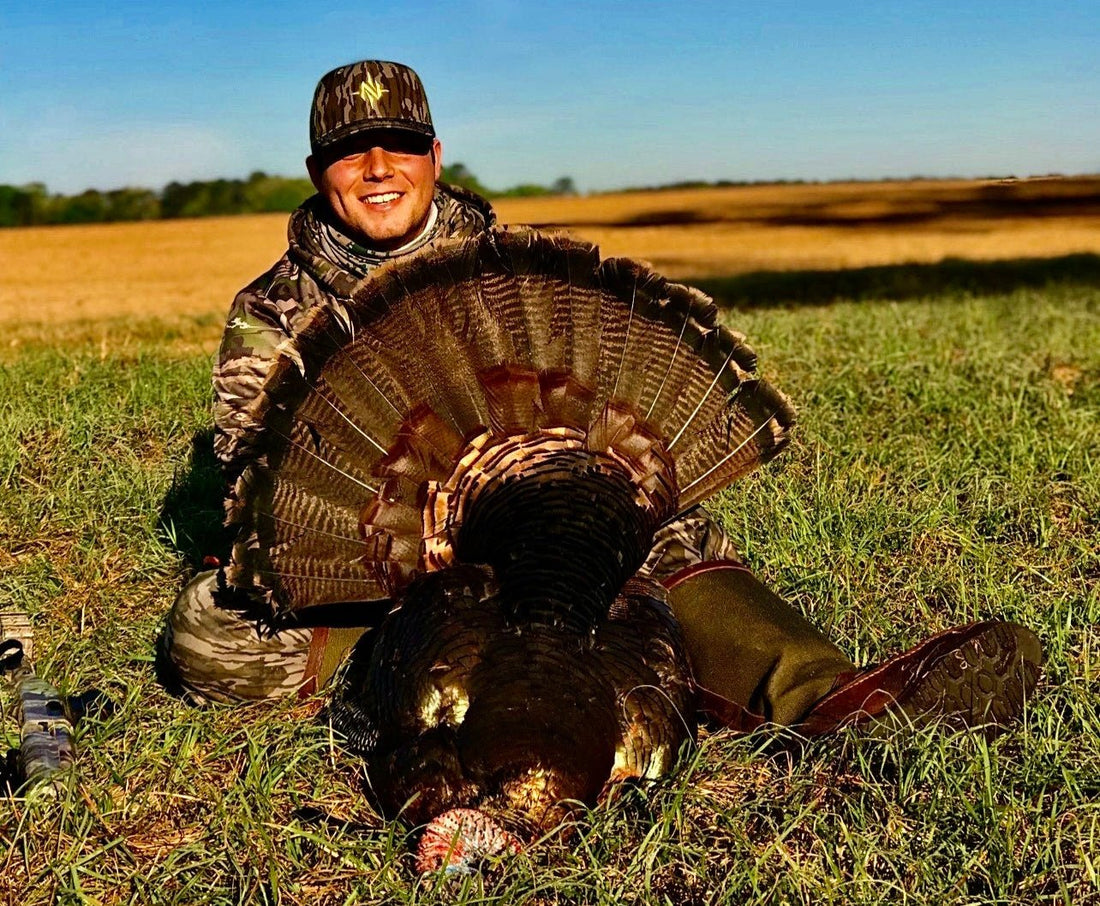
Spring Turkey Tips to Bag a Big Tom
Updated October 2026.
When spring turkey season opens, if you're anything like me, you've been itching to get in the woods for months. There's nothing quite like hearing that first gobble echo through the trees at daybreak. But if you want to turn that sound into a punched tag, you need the right game plan. Whether you're a seasoned hunter or just starting out, these tips will help you close the distance and put a big tom on the ground this season.
When Does Spring Turkey Season Open?
Opening day depends on your state and, in some states, your zone. Florida's spring season opens earliest in the southern part of the state. See our Florida season dates by zone. For other states, check Georgia DNR, Alabama WFF, or SCDNR before you go.
Know Your Bird: Understanding Spring Turkey Behavior
Turkeys aren't as easy to fool as some people think. If you want to be successful, you need to understand how they act in the spring.
- Gobbling – A tom gobbles to attract hens and challenge other males. This is how you find them, but remember, they can pinpoint your location too.
- Strutting – When a tom fans his tail and puffs up, he's showing off for the hens. Look for open areas or clearings where they like to put on a show.
- Roosting – Turkeys sleep in trees and fly down at first light. Knowing where they roost gives you a huge advantage when setting up your morning hunt.
The Right Gear Makes a Difference
Your gear won’t kill a turkey for you, but it sure helps stack the odds in your favor.
- Turkey Calls – Box calls, slate calls, and diaphragm calls all have their place. Practice different sounds so you can adjust to a gobbler’s mood.
- Camo Clothing – Turkeys have eyesight that puts a deer to shame. If you’re not fully camouflaged, you’re going home empty-handed.
- Decoys – A well-placed hen or jake decoy can be the difference between a tom hanging up or committing to your setup.
- Shotgun & Ammo – A 12-gauge or 20-gauge with a tight choke is the go-to. Use turkey loads that give you the best pattern at 30-40 yards. The NWTF explains how to pattern your turkey gun at 20, 30, and 40 yards.
- Face Mask & Gloves – If a turkey sees movement, the hunt is over. Cover every bit of exposed skin.
Tactics That Get the Job Done
Scout Like You Mean It
The more time you spend in the woods before the season, the better your odds. Look for tracks, dusting areas, and strut zones. Use trail cameras if you can. Find where they roost and where they go after fly-down. The NWTF has more tips for hunting Southeastern turkeys, including glassing strut zones from a distance so you don't pressure birds before the season.
Call Smart, Not Just Loud
Calling is where most hunters mess up. Sometimes a fired-up gobbler will come running, but other times you need to be subtle.
- Yelp – The standard hen call to grab a tom’s attention.
- Cluck – A soft call that signals contentment.
- Purr – A relaxed feeding sound that keeps birds calm.
- Cutting – A sharp, excited series of clucks to get a gobbler fired up.
If a tom is answering you but won’t commit, stop calling. Sometimes silence makes him close the distance.
Set Up Like a Sniper
Find a good spot between the roost and where turkeys like to feed or strut. Use natural cover or a ground blind to break up your outline. Keep your decoys at 20-30 yards to draw the gobbler into range.
Stay Still and Be Patient
Movement kills more hunts than anything else. Once you’re set up, don’t fidget. If a gobbler hangs up, resist the urge to shift around or call too much. Patience kills turkeys.
Adjust to the Weather
Turkeys react differently depending on conditions.
- Hot, dry days – They’ll stay close to shade and water sources.
- Windy days – They won’t gobble as much, but they’ll still be on the move.
- Rainy days – Look for them in open fields instead of thick cover.
Safety First
- Identify your target – Don’t shoot at movement. Make sure it’s a legal bird.
- Wear blaze orange when moving – Other hunters need to see you.
- Tell someone where you’re hunting – Accidents happen. Make sure someone knows where you are.
For more, review the NWTF's turkey woods safety guide and FWC's Think S.A.F.E. firearm rules.
Final Thoughts
Spring turkey hunting isn’t just about filling a tag. It’s about the experience—the early mornings, the adrenaline rush when a tom answers your call, and the satisfaction of a well-earned hunt. Scout hard, call smart, and be patient.
Get out there, put in the work, and good luck this season. Before opening day, run through our Ultimate Turkey Hunting Checklist.
Gear Up for the Hunt
Rep the hunt on and off the property. Put a Turkey Hunting Decal on the truck, grab a Hunt One More shirt or hoodie for camp, and check our Southeast apparel tips for what to wear in the woods.
Spring Turkey Hunting FAQ
What is the best time of day to hunt spring turkeys?
Early morning near the roost is the classic setup, when gobblers sound off before and after fly-down. Late morning can also be good, after hens leave toms alone to nest.
How far should I set my turkey decoys?
About 20 to 30 yards from your setup, so a gobbler that commits to the decoy is in range.
What should I do if a gobbler hangs up?
Stop calling and stay still. Silence often makes a tom close the distance to find the hen he heard.